

How a invoice turns into a regulation hopper? – Ever puzzled how a easy concept turns right into a regulation that is affecting your day-to-day existence? It is a interesting procedure, a bit of like a rollercoaster experience thru Congress. We’re going to destroy down the stairs, from the preliminary spark of an concept to the overall signature, and spotlight the important thing gamers alongside the best way. Consider a invoice as a tiny seed, desiring the fitting stipulations to develop right into a full-fledged regulation.
The First Steps: Advent and Referral
The adventure begins with an concept. This concept, a proposed alternate to current regulation or a brand-new coverage, is written down as a invoice. A Member of Congress introduces the invoice, and it is then despatched to the fitting committee for assessment. Bring to mind committees as specialised mavens, sparsely inspecting the main points of the proposed regulation. This can be a the most important step the place mavens can ask questions and counsel enhancements. From time to time, expenses are even shelved if they do not get the vital give a boost to.
- Advent: A Member of Congress proposes the invoice.
- Committee Evaluation: The invoice is tested by means of a committee of mavens.
- Conceivable Results: The committee would possibly approve, reject, or amend the invoice.
The Deliberation Degree: Hearings and Markups
If the committee makes a decision to transport ahead, the invoice is debated in hearings. Those hearings are like public boards, the place supporters and warring parties can provide their perspectives and the general public can voice their critiques. After the hearings, the committee may make additional adjustments to the invoice, a procedure referred to as “markup.” This step is significant to making sure the invoice is as well-crafted as conceivable. The committee would possibly counsel the invoice for complete attention, or it will reject it. The end result of those deliberations can dramatically modify the invoice’s possibilities of turning into a regulation.
- Hearings: Public discussion board the place supporters and warring parties provide their arguments.
- Markups: Committee participants make adjustments to the invoice.
- Committee Vote: The committee votes on whether or not to counsel the invoice to the total chamber.
Shifting to the Flooring: Debate and Balloting
As soon as the committee approves the invoice, it strikes to the total chamber (Senate or Area of Representatives). Participants of the chamber debate the invoice, presenting their views and arguments. Amendments are continuously proposed and debated, and in the long run, the chamber votes at the invoice in its present shape. The method will also be very intense and time-consuming, particularly for advanced expenses.
- Debate: Participants of the chamber talk about the invoice and suggest amendments.
- Balloting: The chamber votes at the invoice, both approving or rejecting it.
- Passage: If the invoice passes each chambers, it is going to the President for attention.
Presidential Motion: Signature or Veto
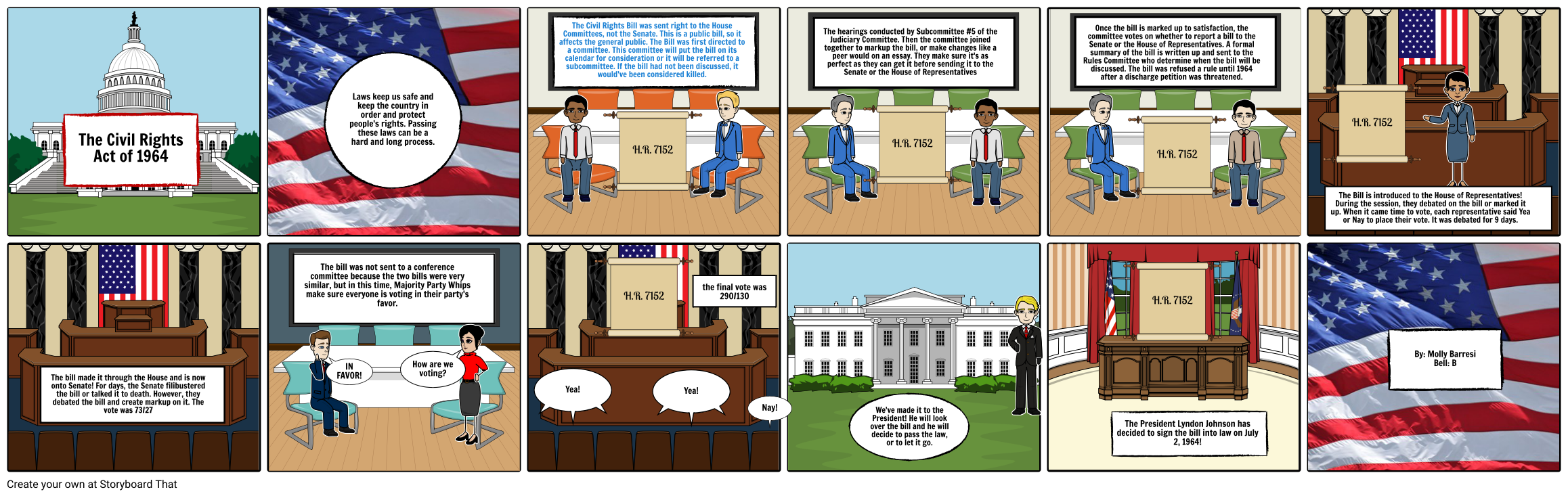
If a invoice passes each the Area and the Senate, it strikes to the President. The President has 3 choices: signal the invoice into regulation, veto the invoice, or do not anything (a pocket veto). If the President indicators the invoice, it turns into regulation. If the President vetoes the invoice, Congress can override the veto with a two-thirds vote in each chambers. If the President does not anything, the invoice turns into regulation after ten days if Congress continues to be in consultation. If Congress adjourns prior to the 10 days are up, the invoice dies (a pocket veto). This advanced machine guarantees that each invoice is going thru cautious scrutiny and deliberation.
 Lucas
Lucas  Charlotte